Fruits Vegetables
Onion
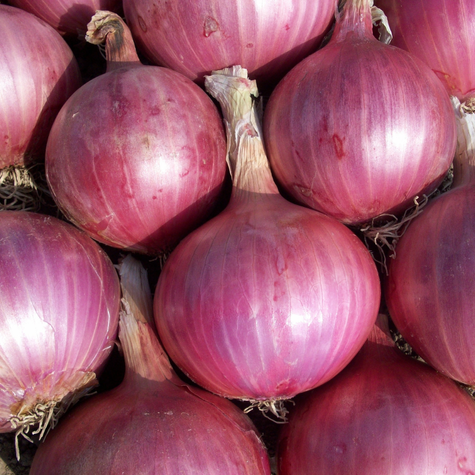
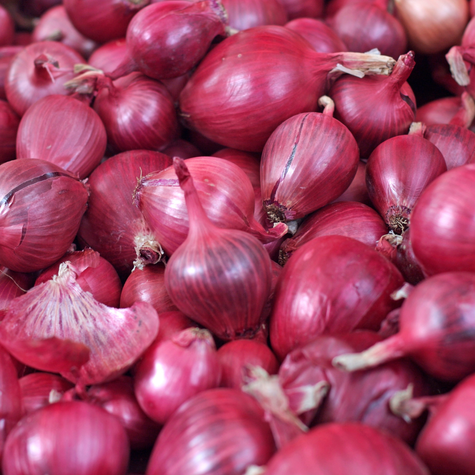
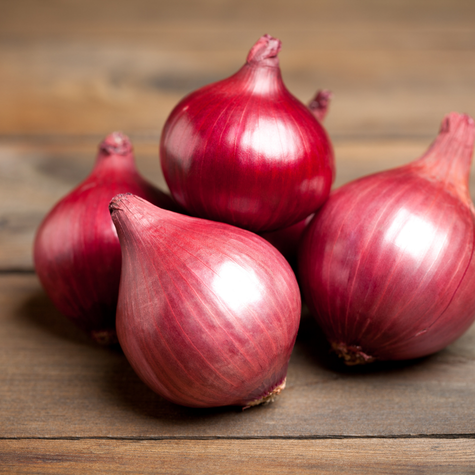
The onion is a widely cultivated vegetable known for its distinctive flavor and aroma, which enhances countless culinary dishes around the world. Belonging to the Allium family, which also includes garlic, leeks, and chives, onions come in various types such as red, white, and yellow, each with a slightly different taste and use. They are rich in antioxidants and contain compounds like sulfur, which not only give them their sharp smell but also offer potential health benefits, including anti-inflammatory and antibacterial properties. Onions can be eaten raw, cooked, fried, or pickled, and they play a key role in many cuisines, from soups and stews to salads and sandwiches.
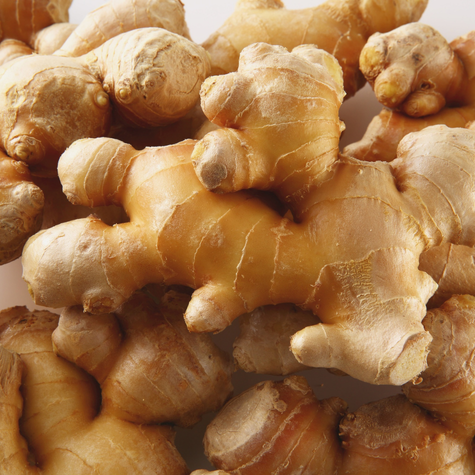
Ginger
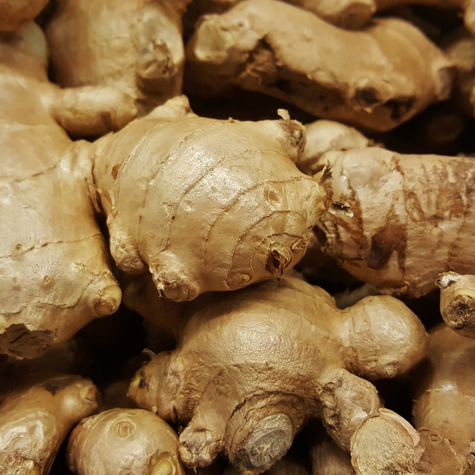
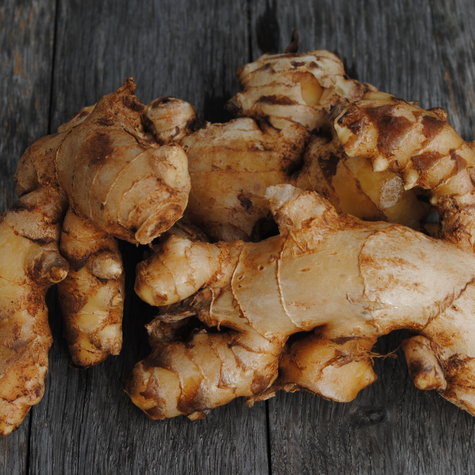
Ginger is a flavorful and aromatic root widely used in cooking and traditional medicine. It comes from the underground stem (rhizome) of the plant Zingiber officinale and is known for its spicy, slightly sweet taste. Commonly used fresh, dried, powdered, or as an oil or juice, ginger adds a distinctive zing to both savory and sweet dishes. It is also valued for its health benefits, such as aiding digestion, reducing nausea, and possessing anti-inflammatory and antioxidant properties. Popular in Asian, Indian, and Middle Eastern cuisines, ginger is a versatile ingredient found in everything from curries and teas to baked goods and herbal remedies.
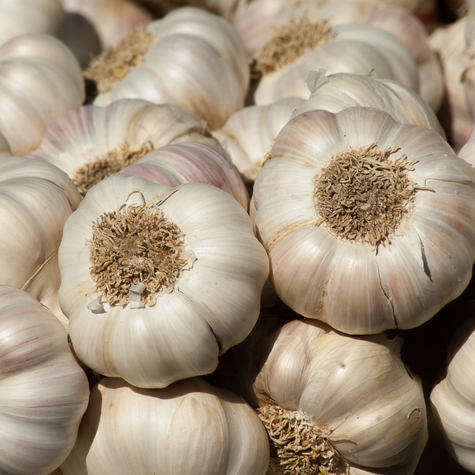
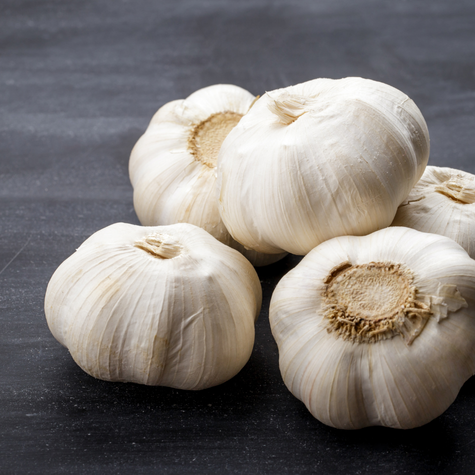
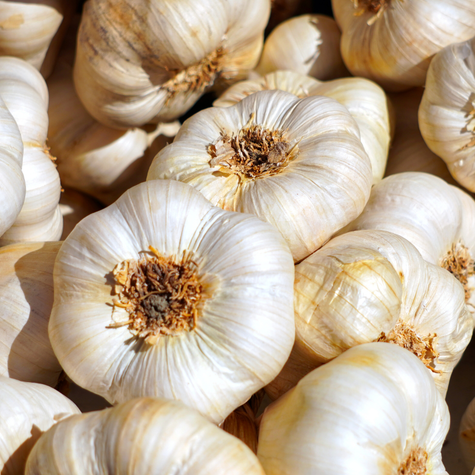
Garlic
Garlic is a pungent and flavorful bulb widely used in cooking and traditional medicine across the world. It belongs to the Allium family, like onions and leeks, and is known for its strong aroma and sharp taste, which mellows and sweetens when cooked. Garlic is made up of several cloves enclosed in a papery skin and is used fresh, minced, roasted, or powdered in a variety of dishes to enhance flavor. Beyond its culinary uses, garlic is rich in compounds like allicin, which contribute to its potential health benefits, including boosting immunity, lowering blood pressure, and reducing cholesterol levels. It plays a central role in many cuisines, including Mediterranean, Asian, and Middle Eastern cooking.
Pomegranate (Seasonal)
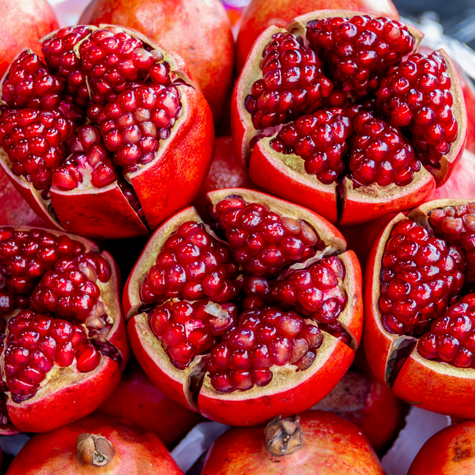
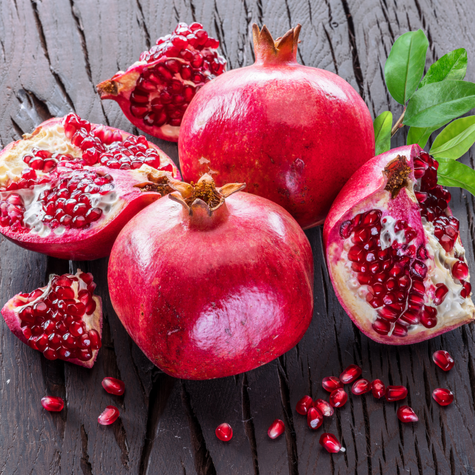
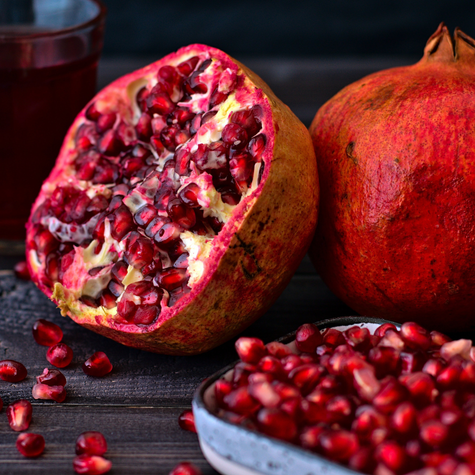
Pomegranate is a nutrient-rich, seasonal fruit known for its vibrant red color, juicy seeds, and sweet-tart flavor. Typically available in the cooler months, especially from late autumn to winter, pomegranates are prized both for their taste and their health benefits. The fruit contains hundreds of edible seeds called arils, which are packed with antioxidants, vitamins C and K, fiber, and potassium. Pomegranates are enjoyed fresh, juiced, or used as a garnish in salads, desserts, and savory dishes. Traditionally valued in many cultures, they symbolize fertility, prosperity, and health, and are often included in festive and religious rituals.
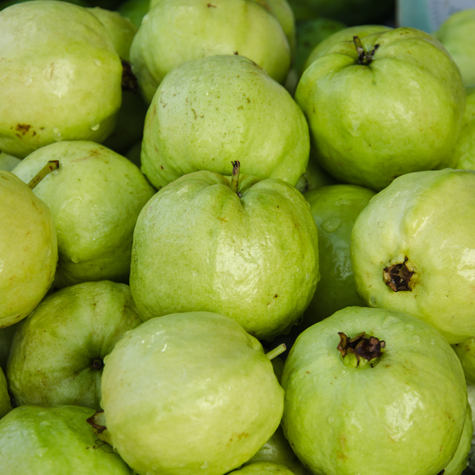
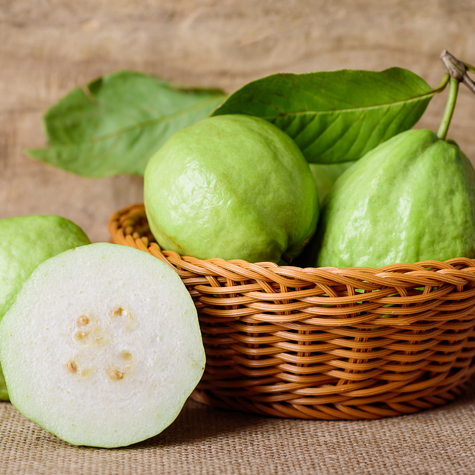
Taiwan guava
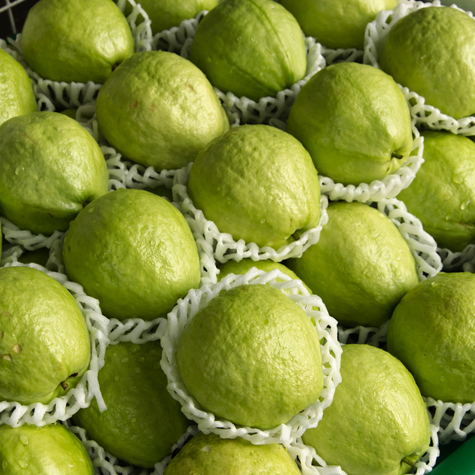
Taiwan guava is a popular tropical fruit known for its crisp texture, mild sweetness, and high nutritional value. Unlike the softer, more aromatic guavas found in other regions, Taiwan guava is typically larger, firmer, and often pale green on the outside with white or pink flesh inside. It has a refreshing, lightly sweet flavor and can be eaten raw, dipped in plum powder, or added to salads and juices. Rich in vitamin C, fiber, and antioxidants, Taiwan guava supports digestion, boosts immunity, and promotes healthy skin. It is widely cultivated in Taiwan and exported to many countries, especially in Asia, for its quality and flavor.
Green Chilli
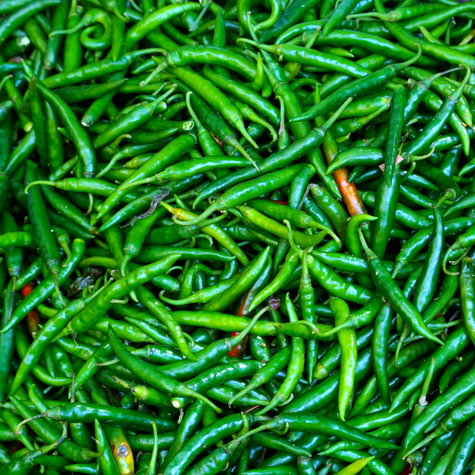
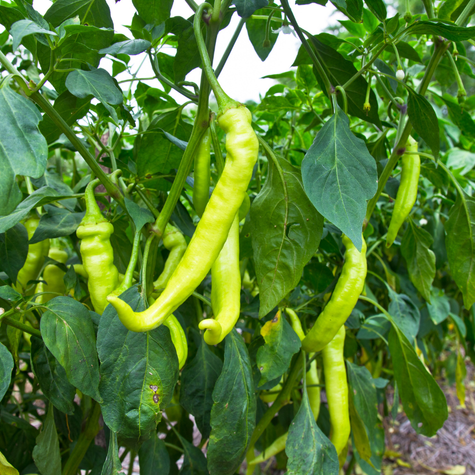
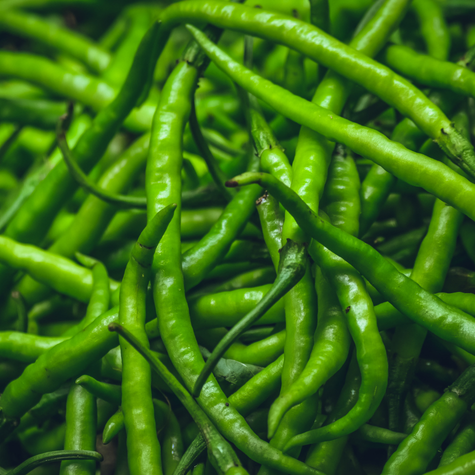
Green chilli is a widely used spice in many cuisines around the world, especially in Indian, Mexican, Thai, and Southeast Asian dishes. It is known for its vibrant green color and pungent heat, which comes from a compound called capsaicin. Green chillies not only add flavor and spice to food but also offer health benefits—they are rich in vitamin C, antioxidants, and have metabolism-boosting properties. They are typically consumed fresh, chopped, or blended into sauces and pastes, and are also used in pickles and chutneys. Despite their heat, green chillies are a staple ingredient that enhances the taste and aroma of many traditional dishes.